
A slow or blocked drain can quickly become one of the most frustrating problems in any home. Whether it’s your kitchen sink, bathroom shower, or bathtub, knowing how to unclog a drain can save you time, money, and stress. While some blockages require professional help, there are several effective DIY techniques you can try before calling in the experts.
Why Drains Get Clogged
Understanding the cause of the blockage is the first step in finding the best solution. The most common reasons for drain clogs include:
- Hair buildup – A leading cause in showers and bathroom sinks.
- Grease and oil – Common in kitchen sinks, where cooled fats solidify inside the pipes.
- Soap scum – Can combine with minerals in water to create stubborn residue.
- Foreign objects – Items like wipes, cotton swabs, or small toys can block the flow.
- Food debris – Especially starchy or fibrous foods that don’t break down easily.
How to Unclog a Drain Using Simple Methods
If you want to know how to unclog a drain quickly and safely, try these proven techniques:
Boiling Water Flush
- Heat a kettle of water until boiling.
- Slowly pour it down the drain in two or three stages, allowing the hot water to work between pours.
- This can help dissolve grease and soap residue.
Baking Soda and Vinegar
- Pour 1/2 cup of baking soda into the drain.
- Follow with 1/2 cup of vinegar.
- Cover the drain for 10–15 minutes to let the fizzing action break down buildup.
- Flush with boiling water.
Plunger Method
- Use a cup plunger for sinks and a flange plunger for toilets.
- Create a strong seal over the drain and push up and down several times to dislodge the blockage.
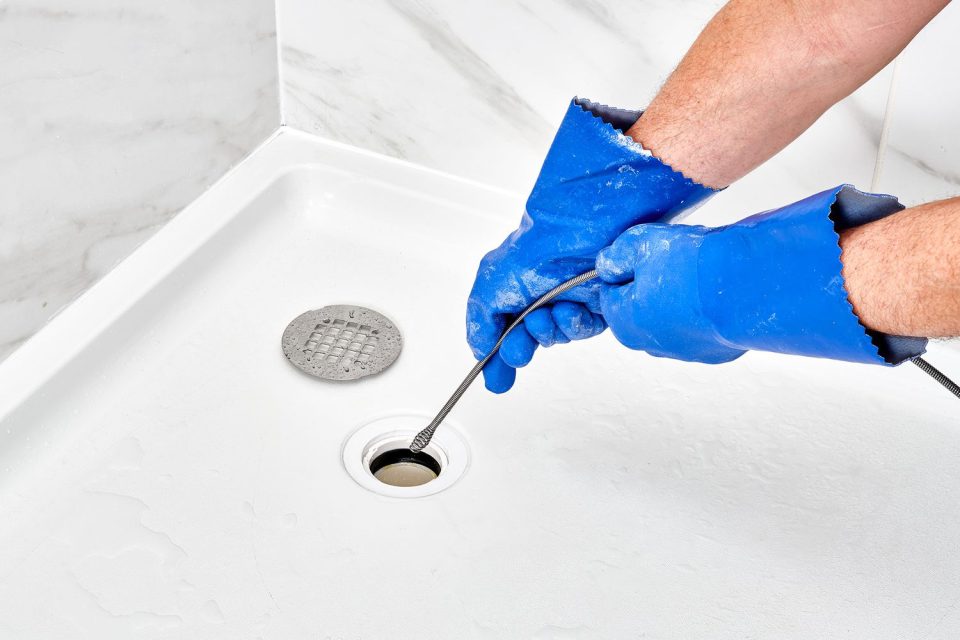
Drain Snake or Auger
- Insert the tool into the drain until you feel resistance.
- Rotate to break apart or hook the clog.
- Pull out the debris and flush with hot water.
Wet/Dry Vacuum
- Set the vacuum to liquid mode.
- Create a tight seal over the drain and let it suck out the blockage.
When to Call a Professional
While learning how to unclog a drain at home is useful, some clogs are too deep or stubborn for DIY methods. You should call a plumber if:
- Water is backing up into multiple drains.
- You notice foul odors that don’t go away.
- DIY methods don’t restore normal flow.
- There are signs of a sewer line problem, such as gurgling toilets or wet patches in the yard.
A professional drain cleaning service can use tools like hydro jetting, camera inspections, and root removal to fix the problem safely and prevent it from returning.
How to Prevent Future Clogs
Once you’ve mastered how to unclog a drain, it’s just as important to keep your drains clear:
- Use hair catchers in showers and sinks.
- Avoid pouring grease or coffee grounds down the drain.
- Run hot water for a minute after each sink use.
- Schedule regular professional inspections.
Final Thoughts
Knowing how to unclog a drain can save you from unnecessary plumbing bills and give you peace of mind when problems arise. By using simple DIY techniques and calling professionals when needed, you can keep your home’s plumbing system running smoothly year-round.
