
Home renovation projects can transform living spaces, increase property value, and improve comfort-but they also come with risks. Without proper planning and protection, renovations can lead to costly damage to existing surfaces, fixtures, and even structural elements.
Whether you’re a contractor or homeowner, implementing effective damage prevention strategies is essential to ensure a smooth and successful project.
1. Start with a Detailed Protection Plan
Before any work begins, assess the entire renovation area and identify surfaces that need protection. Floors, walls, windows, doors, cabinets, and installed equipment are all vulnerable to scratches, dust, spills, and impact damage.
Create a site-specific protection plan that outlines:
- High-traffic pathways for workers
- Areas for material storage
- Zones requiring extra protection (e.g., finished flooring, glass surfaces)
Planning ahead reduces the risk of accidental damage and keeps the project organized.
2. Use Temporary Surface Protection Materials
One of the most reliable ways to prevent damage is to use temporary protective materials, designed to shield surfaces without leaving residue or compromising the original finish.
Common solutions include:
- Protective films for glass
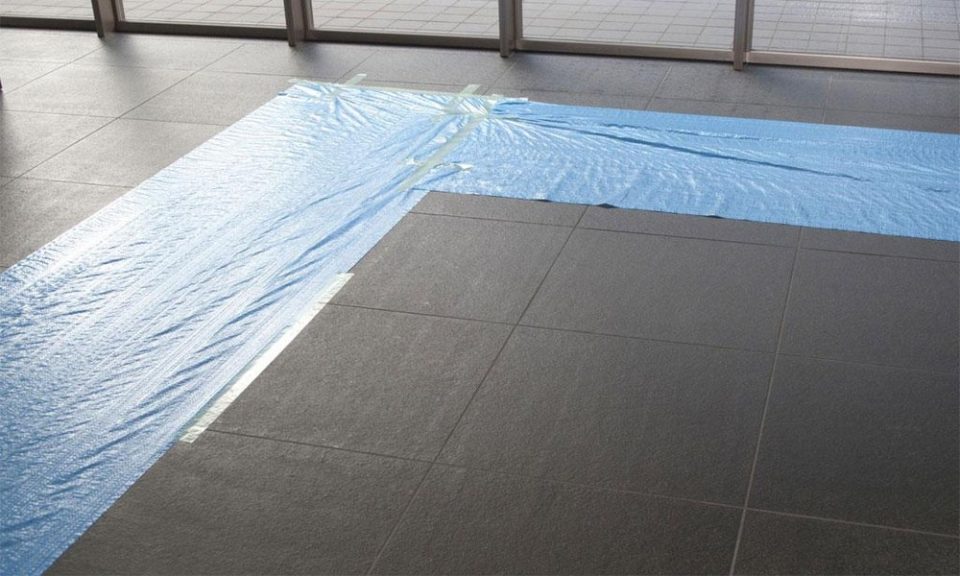
- Floor protection boards or rolls for hardwood, tile, and marble
- Corner guards for walls and door frames
- Dust barriers to isolate work zones
High-quality protection materials should offer strong adhesion during use while being easy to remove after completion.
3. Control Dust and Debris
Dust remains one of the most significant challenges throughout any renovation project. It can spread throughout the home, settle into finishes, and damage sensitive equipment.
To minimize dust-related damage:
- Install plastic sheeting or zippered dust barriers between work and living areas
- Use negative air machines or exhaust fans to control airflow
- Cover HVAC vents to prevent dust circulation
- Clean regularly using vacuum systems with HEPA filters
Proper dust control not only protects surfaces but also improves air quality and safety.
4. Protect Floors Thoroughly
Floors are particularly vulnerable due to constant foot traffic, tool movement, and material handling. Even minor negligence can result in scratches, dents, or stains.
Best practices include:
- Using heavy-duty floor protection materials suited to the floor type
- Securing protective coverings to prevent shifting or tripping hazards
- Adding extra layers in high-traffic zones
- Avoiding dragging heavy equipment directly across surfaces
Different flooring materials require different protection strategies, so choose materials accordingly.
5. Safeguard Fixtures and Installed Elements
Renovation often takes place around existing fixtures such as cabinets, lighting, appliances, and сантitary fittings. These elements are expensive to replace and must be protected carefully.
Recommended actions:
- Wrap fixtures with foam padding or temporary protective film
- Remove or cover delicate items whenever possible
- Label protected items clearly to prevent accidental use or removal
- Use edge protectors on countertops and cabinetry
Taking these precautions helps preserve the integrity of installed components.
6. Establish Clear Worksite Rules
Human error is a leading cause of damage during renovations. Setting clear guidelines for workers can significantly reduce risks.
Important rules may include:
- No dragging tools or materials across unprotected surfaces
- Immediate cleanup of spills (paint, adhesives, chemicals)
- Proper storage of tools and equipment
- Restricted access to protected or completed areas
Training workers on site protection standards ensures consistency and accountability.
7. Manage Material Handling and Storage
Improper handling of construction materials can easily lead to accidental damage. Sharp edges, heavy loads, and unstable stacking are common hazards.
To prevent issues:
- Designate specific storage areas away from finished surfaces
- Use padding when placing materials near walls or floors
- Transport materials carefully using carts or lifting tools
- Avoid overcrowding the workspace
Efficient material management reduces both damage risk and workflow disruption.
8. Conduct Regular Inspections
Damage prevention is an ongoing process that requires consistent monitoring at every stage of the project.
Schedule routine inspections to:
- Regularly inspect the condition of protective materials to ensure they remain effective
- Identify early signs of damage
- Maintain strict adherence to established protection protocols at all times
- Replace or reinforce worn-out coverings
Early detection allows for quick corrective action, minimizing repair costs.
Conclusion
Damage prevention in home renovation projects is about foresight, discipline, and the right materials. By implementing a structured protection plan, controlling dust, safeguarding vulnerable surfaces, and maintaining strict worksite practices, you can significantly reduce the risk of costly damage.
A well-protected renovation site not only preserves existing assets but also reflects professionalism and attention to detail-key factors in delivering high-quality results.
