
As building supervisors responsible for maintaining safe, comfortable, and energy-efficient workspaces, the commercial HVAC partner you choose makes all the difference. HVAC systems are the lifeblood of any commercial facility and working with the right service provider can provide a massive reduction in downtime, operating costs and maintenance headaches in the years to come. Every commercial HVAC provider looks pretty good on paper, but this guide highlights the most important qualities to consider before making a decision.
Click here for more information about HVAC System.
Essential Features of a Commercial HVAC Partner
The right HVAC partner should be more than a contractor; they should be a long-term collaborator, committed to the performance of the building. The ideal partners feature a balance of technical experience, responsiveness, and client-oriented service. By understanding what sets the best providers apart from others, supervisors can inform their decision-making processes and avoid the expensive learn-as-you-go experience.
Expertise in HVAC Systems
An established HVAC provider is always going to show that level of technical excellence through a range of commercial systems. Examples include packaged rooftop units, VRF systems, split systems, and ductless splits. Knowledge of both new high efficiency systems and older systems is important, especially in existing buildings. Supervisors can request specificity related to the provider’s training protocol, diagnostic measures, and systems design and optimization strategies.
Experience with Various Commercial Models
There are no cookie-cutter commercial spaces. HVAC needs vary with the types of places, such as medical clinics, data centers, retail stores, and office complexes. A trustworthy partner is aware of these distinctions and has experience maintaining commercial settings of various backgrounds.
Find HVAC providers with experience in:
- Temperature-sensitive industry climate control requirements (e.g., data centers, labs)
- Multi-zone systems in case of large office buildings or retail environments
- Responsive HVAC Solutions For High-Occupancy Patterns
In the vetting process, ask for relevant case studies or project examples that demonstrate the provider’s adaptability and problem-solving skills on comparable facilities.
Evaluating HVAC Partner Reliability
Among the most critical elements of any commercial HVAC service is reliability. Your reliable provider will respond quickly, you will never again miss a deadline, and everything will be pretty upfront with costs and time frames. Important for building supervisors: How does the enterprise talk, how speedy do they get again calls, and how thorough are they in documenting assessments and recommendations? Inconsistency in these areas is usually definitely a warning sign. Visit https://www.classic-gameshop.com/blog/hvac_partners.html to learn more.
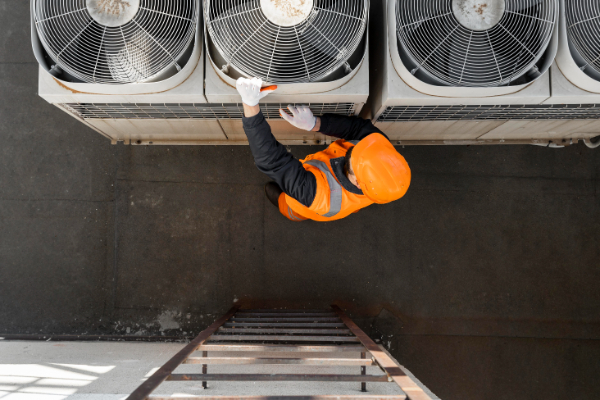
Availability of Emergency Services
HVAC systems do not differentiate between business and after business hours. This is why working with a partner that provides 24/7 emergency support is critical. Quick response times in the event of a system failure can reduce system downtime and avoid collateral damage, especially in high stakes environments where temperature control is a mission critical function. The key to standing out from the crowd is the fact that providers like Cool Running Air offer 24-hour emergency commercial HVAC services.
Customer Reviews and Feedback
At this juncture, you also need to have high regard for the importance of building a formidable online review for your company, which is a sign of your performance and professionalism. Web pages such as Google, Yelp or social media pages including Facebook (https://www.facebook.com/coolrunningair/) or Instagram (https://www.instagram.com/coolrunningair/) shows how customers are happy or unhappy with the product.
While skimming through the reviews, look out for:
- Specific type of comments about professionalism and knowledge of the technician
- Timely service and upfront pricing reports
- Likelihood of referring provider for contract continues long-term
No company is perfect, but constant compliments on timeliness, quality of work, and professionalism point to a quality service.
Licensing and Certifications
The best HVAC providers should be licensed and insured to provide those services legally in your area. Certifications from established industry organizations such as NATE (North American Technician Excellence) or Mitsubishi Diamond Contractors also indicate an ongoing commitment to education and quality. Such credentials carry weight, especially when dealing with code compliance, energy rebates, or eco-sensitive installations.
Companies that provide commercial HVAC services near me should also be aware of local permit guidelines and inspection requirements. Such local insight guarantees that all work is familiar with municipal codes and is exposed to lesser administrative lags.
Steps to Foster a Successful Partnership
Once you have selected the appropriate provider, the relationship is a continuous engagement. The supervisors of the building are an essential component to establish the workplace expectations and norms. Here are two basic principles of a long-term partnership.
Open Communication Channels
HVAC management success relies on communication. You can typically expect updates on system health, upcoming maintenance, and any parts of the system that might need attention from a reliable partner. Supervisors need to set up contacts at the HVAC company, and check in regularly. Transparent metrics help to reduce surprises and keep the operation flow.
Setting Maintenance Schedules
Routine preventive maintenance is essential in extending the lifespan of any equipment and minimizing the operation cost of working equipment. The right HVAC partner will develop an individualized maintenance schedule considering building size and usage, types of equipment, age, and usage habits. This should entail routine inspections, filter changes, calibrations and seasonal tune-ups. Predictable scheduling allows for budget planning, as well as eliminating unplanned downtimes.
Conclusion
Choosing a commercial HVAC partner can be more than just making a quick fix; often, it comes down to creating a partnership that ensures the longer-term performance of your building. The right HVAC partner adds a key to your building’s success, from technical expertise to emergency availability to clear communication. By focusing on these vital attributes, supervisors will have the tools to make sound decisions with confidence.
