
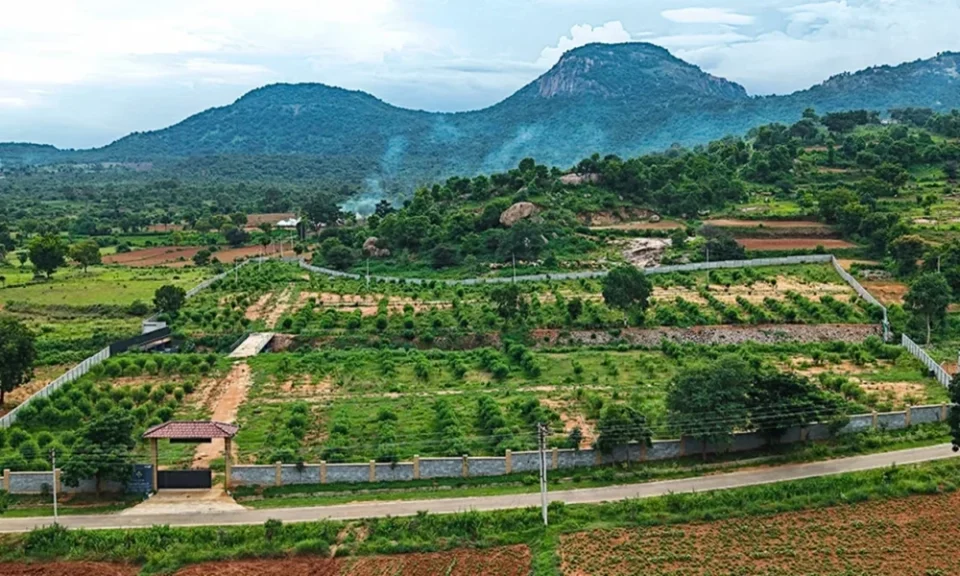
Access is one of the first things a serious buyer asks about. A beautiful tract of woods or pasture loses much of its appeal if there is no legal way to drive to it. Yet thousands of rural parcels have narrow, informal, or uncertain access, and they still change hands every year.
Physical Access Versus Legal Access
A dirt track that the family has used for decades is physical access. Legal access is different: it means the right to cross is documented and will survive a change in ownership. Buyers, title insurers, and lenders care about the legal kind. A parcel that touches a public road has it automatically. One that does not usually depends on an easement, a recorded right to cross a neighbour’s property for a specific purpose.
Landlocked Parcels
Land with no recorded route to a public road is often called landlocked. Some legal systems allow an owner to request a court-ordered access route in certain situations, but the process can be slow and costly. Many buyers simply avoid landlocked tracts, which reduces their market value considerably.
Investigating Your Own Access
Start by reviewing your deed and any older deeds in the chain of title. Easements are sometimes described there. Next, check whether neighbouring parcels have recorded agreements mentioning your land. A title company can run this search for a modest fee. If you find nothing, speak with neighbours: some will agree to grant a written easement, especially if it does not burden their use of the land.
Improving the Situation Before Sale
Even a basic recorded easement can turn a difficult listing into a marketable one. In some cases, purchasing a narrow strip from a neighbour creates direct road frontage. Grading a rough track, adding a gate, or clearing brush from an existing route also helps buyers picture using the property.
Who Buys Hard-to-Reach Land
Adjacent owners are often the most motivated buyers, since the parcel may connect naturally to land they already hold. Hunters, conservation groups, and timber operators sometimes accept limited access when the land suits their purposes. Some investors also specialise in parcels other buyers avoid. Talking with land buyers who pay cash for rural lots can give an owner a realistic sense of what such property is worth as-is, since they are often willing to take on access issues that would stop a financed purchaser.
Being Honest in Your Listing
Describe access clearly and accurately. Overstating it may lead to a failed closing or even legal claims later. Buyers appreciate candour, and a clear explanation of the situation often attracts the right audience rather than scaring everyone off.
Utilities often follow access too. A parcel without road frontage may also lack an easy path for power lines, so confirm both together.
Final Thoughts
Limited access is a challenge, not a dead end. Researching existing rights, negotiating with neighbours, and targeting the right buyers can turn a difficult parcel into a completed sale. For something unrelated, check it out here.
