
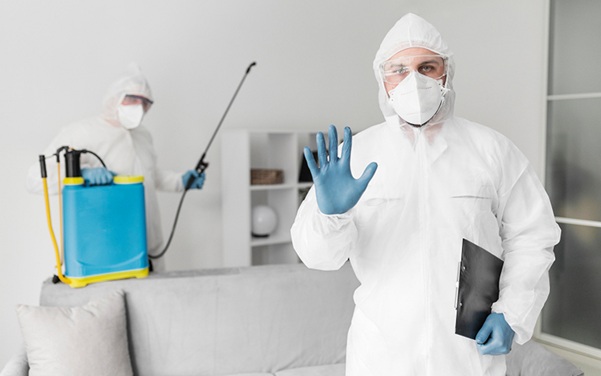
Despite deep cleaning and repeated efforts, mould often finds its way back into homes and offices across Singapore. The humid climate, combined with structural vulnerabilities and poor ventilation, creates a perfect breeding ground. Recurring mould should be viewed not as a simple nuisance, but as a signal that the original problem was never fully addressed. The best mould removal in Singapore doesn’t just clean what’s visible. It targets the conditions that allow mould to thrive and ensures the space stays safe over time.
This article explores why mould reappears, the flaws in quick-fix solutions, and how experienced providers turn inspection and removal into a sustainable process. With the right approach, property owners can break the cycle of constant regrowth.
Quick Fixes vs. Root Cause Solutions
Many people resort to over-the-counter sprays or DIY remedies when they first notice mould stains or smell mustiness. These methods may reduce surface mould temporarily, but rarely stop the problem at its source. High moisture levels and contaminated internal materials create the ideal conditions for mould to return, often in a state that is deeper, faster, and more resistant.
This is why mould removal in Singapore is best handled by trained professionals. Companies like Mouldgone and STERNG focus not just on elimination but on understanding how mould established itself in the first place. Is it a ventilation issue in the bathroom? A persistent roof leak? A broken air conditioning drainage system? Without identifying and resolving the root cause, removal efforts are short-lived.
How Professional Inspections Prevent Regrowth
A thorough mould inspection in Singapore is the foundation of any lasting solution. Professionals use moisture meters, thermal imaging, and spore sampling to uncover hidden or dormant growth sites. Mould Guru, known for its diagnostic precision, combines visual assessments with occupant interviews to understand long-term indoor air patterns and past incidents of water damage.
Similarly, Ridpest tailors its inspections to each space’s specific history and use. Their team documents every issue, regardless of whether it is visible. Based on this, they prepare a treatment strategy that addresses the entire indoor environment, not just isolated patches. These inspection methods help avoid treating symptoms in isolation and instead deliver a complete remediation plan.
What Top Providers Do Differently
The best mould removal in Singapore is defined by two core elements: precision and prevention. Rather than offering one-size-fits-all solutions, companies like STERNG and Mouldgone assess the space holistically. High-risk areas like bathrooms and basements are treated with targeted antimicrobial applications, while dehumidification systems are installed to maintain air dryness long after technicians leave.
Post-remediation verification is another major differentiator. Mould Guru conducts follow-up testing to ensure that mould spore counts are within safe limits, providing peace of mind that the job is complete. Ridpest also includes long-term recommendations for owners to prevent reinfestation. This advice can include suggestions such as adjusting ventilation settings or sealing structural leaks.
These mould removal services in Singapore operate with the understanding that cleaning is only the middle step. The final goal is to restore a living or working space to a stable, healthy condition.
Why Local Conditions Matter
Singapore’s climate poses unique challenges for mould control. The near-constant humidity, frequent rainfall, and warm indoor temperatures create an ideal environment for spores to settle and multiply. Mould removal methods that are effective in dry climates are not suitable for Singapore’s humid environment. For this reason, all treatment here must be tailored to local conditions.
Top providers understand this. Mouldgone often advises clients on moisture-resistant materials, paint treatments, and layout changes that promote better airflow. STERNG includes guidance on several common household habits. Seemingly small practices, like drying laundry indoors or using rugs on damp floors, can unknowingly contribute to recurring mould.
Understanding how building structures and daily routines interact with local climate is central to delivering mould removal services in Singapore that truly last.
Conclusion
Recurring mould should be viewed as a sign that the original treatment missed something crucial, rather than as a failure of effort. The best mould removal in Singapore starts with careful inspection, continues with tailored treatment, and ends only after the environment is safe and stable. With brands like Mould Guru, Ridpest, STERNG, and Mouldgone leading the way, property owners now have access to services that prioritise both removal and resilience.
To explore verified providers and learn more about mould inspection in Singapore, visit Best Picks for expert-reviewed listings and guidance.
