
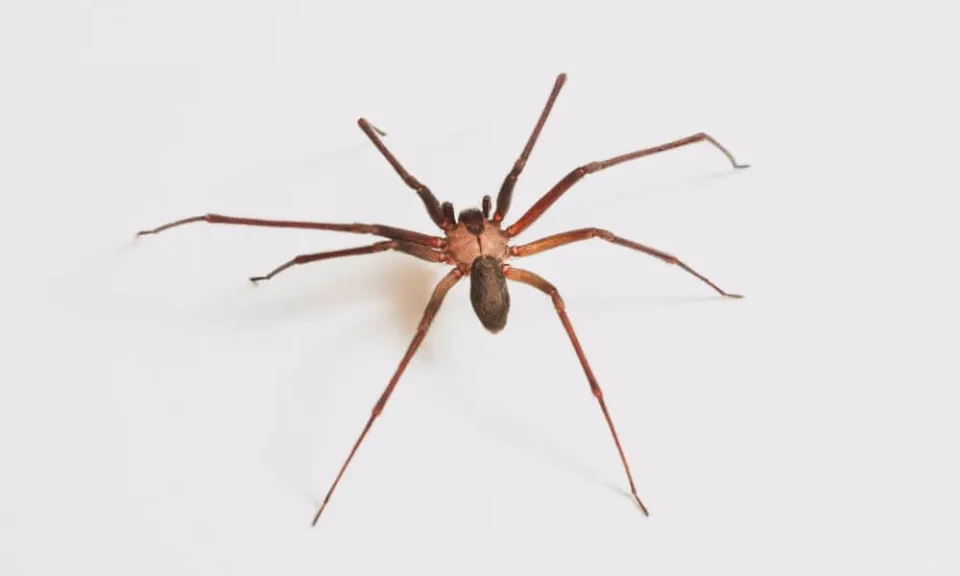
If you happen to live in Florida, the chances are that you have at one time or another shared your living space with a spider-whether it be in someone else’s garden, your garage, or even in your own bathroom. Florida is a great place for a wide variety of arachnids to call home because of its climate, which is characterized by high levels of both warmth and humidity. While most are completely harmless the odd species can pose a very serious risk indeed. Taking the time to learn about spiders in Florida so that you can deal with such encounters wisely is also a sure way of making your home safer too.
Common Florida Spiders: Who’s Who?
There are dozens of spider species that make Florida their home, each with different behaviors and appearance. Some are easily seen while others hide in quiet corners.
Here are some you’re likely to meet:
- Golden Silk Orb-Weaver (Banana Spider): Large, colorful, it spins webs gold in color and usually lives in wooded areas.
- Spiny Orb-Weaver: Small and crablike, this spider looks more like a bug than a web spinner. No danger at all from it.
- Wolf Spider: Fast, large, and ground-dwelling, these hunters may look frightening but are not aggressive.
- Jumping Spider: Tiny, curious, and fast, these spiders are blessed with excellent vision and often invade homes.
- Southern House Spider: Often mistaken for the brown recluse but with no harm flowing from it at all. Common in garages, sheds, and attics.
The Dangerous Few
Most spiders here won’t hurt you — but two species warrant special caution:
- Black Widow: Shiny black and marked with a red hourglass. Its bite is venomous, and you may need immediate medical aid.
- Brown Recluse (rare in Florida): Not native to the area, but occasionally found. A bite can cause skin damage, so any suspicions should be treated seriously.
Why Spiders Aren’t All Bad
They may not be the favorite of everyone, but spiders are something we can’t live without. They eat:
- Flies
- Mosquitoes
- Roaches
- Moths
In fact, a few harmless spiders can actually save you the trouble caused by dealing with more bothersome bugs. Because of this, there is less of a need for pesticides or ongoing pest control.
How to Keep Spiders Out of Your Home
Here are some practical ways of reducing indoor spider activity:
- Seal gaps around windows, pipes, and doors
- Keep storage areas clean and free of clutter
- Turn off outside lights when not needed (less light = fewer insects = less spiders)
- Dust regularly in corners, on the ceilings, and out on the eaves
- Keep shrubs trimmed back from the house and never pile wood directly up against it
When to Bring in the Pros
Some situations call for more than DIY methods. Consider calling pest control when:
- You see venomous species
- Spiders keep coming back
- You are uncertain of the kind
- You would like a long-term prevention plan
Professionals can identify correctly the kind of spider and have experience rapid and effective treatment methods for Florida’s environment.
Conclusion: Identify, Don’t Fear
In Florida, spiders may be inescapable, but fear isn’t necessary. Most are good, not bad. With a little knowledge and a few tips for making immediate prevention measures, keep your encounters unwanted to a minimum. Stay informed, remain alert, and let Florida’s spiders work for you — from far away.
