
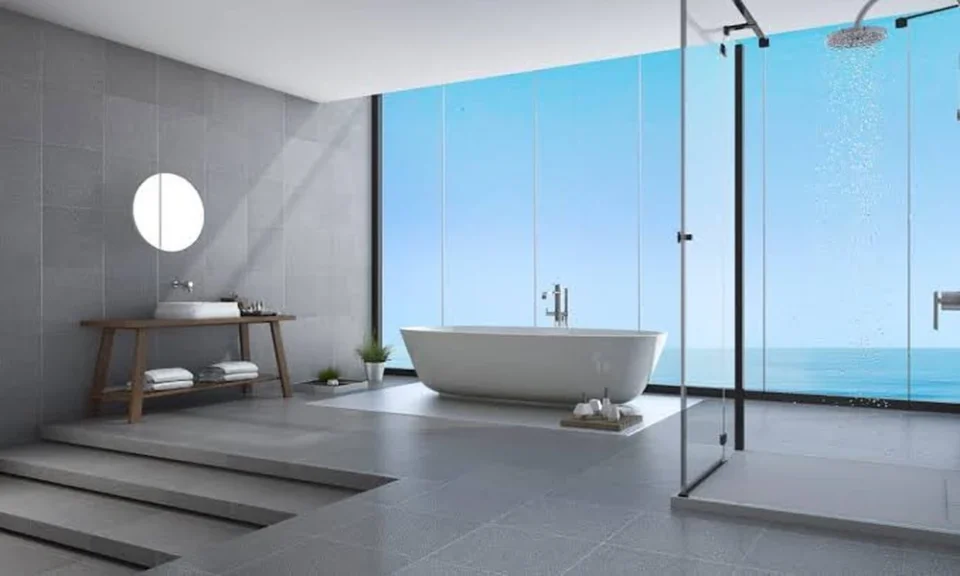
Bathroom renovations are often judged by dramatic before-and-after photos, but the most successful projects are defined by how well they solve everyday problems. This case study follows a realistic homeowner scenario that illustrates how thoughtful planning, experienced professionals, and practical design decisions transformed an outdated bathroom into a comfortable, efficient space.
The Situation
The homeowners owned a twenty-five-year-old home with a guest bathroom measuring approximately 48 square feet. While structurally sound, the room no longer supported the family’s daily routine.
The existing bathroom included:
- A small fiberglass shower with visible wear
- Minimal vanity storage
- Poor ventilation
- Outdated lighting
- Aging vinyl flooring
- Limited countertop space
The homeowners wanted a brighter bathroom that felt larger without expanding the home’s footprint.
After researching several shower remodeling contractors, they realized that layout improvements would likely have a greater impact than expensive finishes alone.
Existing Priorities
| Existing Bathroom | Desired Outcome |
| Small shower | More spacious walk-in shower |
| Limited storage | Better organization |
| Dim lighting | Brighter layered lighting |
| Difficult cleaning | Low-maintenance finishes |
The Challenge
Although the bathroom appeared straightforward, several obstacles quickly became apparent.
The plumbing layout limited fixture relocation, while the compact floor plan required every inch of available space to be used efficiently. Moisture around the original shower also required repairs before new finishes could be installed.
The homeowners established four primary goals:
- Improve daily functionality.
- Increase visual openness.
- Select durable materials.
- Keep the project within a realistic budget.
Project Timeline
| Phase | Primary Activities |
| Week 1 | Design consultation and measurements |
| Week 2 | Material selection and project planning |
| Week 3 | Demolition and plumbing updates |
| Week 4 | Shower installation, tile work, and finishing |
Rather than making dramatic structural changes, the design team focused on maximizing the existing layout.
The Solution
Working with experienced shower renovation contractors, the homeowners selected improvements that balanced appearance with long-term performance.
The original shower enclosure was replaced with a larger walk-in design featuring clear glass panels that visually expanded the room. A recessed wall niche eliminated the need for bulky shelves, while a floating vanity exposed more floor area, making the bathroom feel less crowded.
Additional improvements included:
- Large-format porcelain tile
- Quartz vanity countertop
- LED layered lighting
- High-efficiency ventilation fan
- Water-saving plumbing fixtures
- Moisture-resistant paint
Every visible finish was supported by updated waterproofing behind the walls, ensuring that durability matched appearance.
The Results
The renovation delivered noticeable improvements without increasing the bathroom’s square footage.
Before / After
| Before | After |
| Fiberglass shower | Frameless walk-in shower |
| Limited storage | Floating vanity and recessed niche |
| Single ceiling light | Layered LED lighting |
| Outdated finishes | Contemporary neutral materials |
| Crowded appearance | More open visual layout |
Results Summary
✓ More comfortable daily routine
✓ Improved storage capacity
✓ Better lighting throughout the room
✓ Easier maintenance
✓ Increased visual openness
✓ Modern appearance with timeless materials
The homeowners also reported that the bathroom felt significantly larger despite maintaining the original footprint.
Key Lessons
One of the most valuable lessons from this project was that successful remodeling depends more on thoughtful planning than on luxury materials. Improving circulation, selecting durable finishes, and investing in waterproofing created benefits that extended well beyond aesthetics.
For homeowners considering remodeling a small bathroom, this case study demonstrates that even compact spaces can deliver impressive results when the design focuses on functionality first. Careful planning, realistic budgeting, and experienced installation often produce a bathroom that feels larger, performs better, and remains easier to maintain for many years.
