
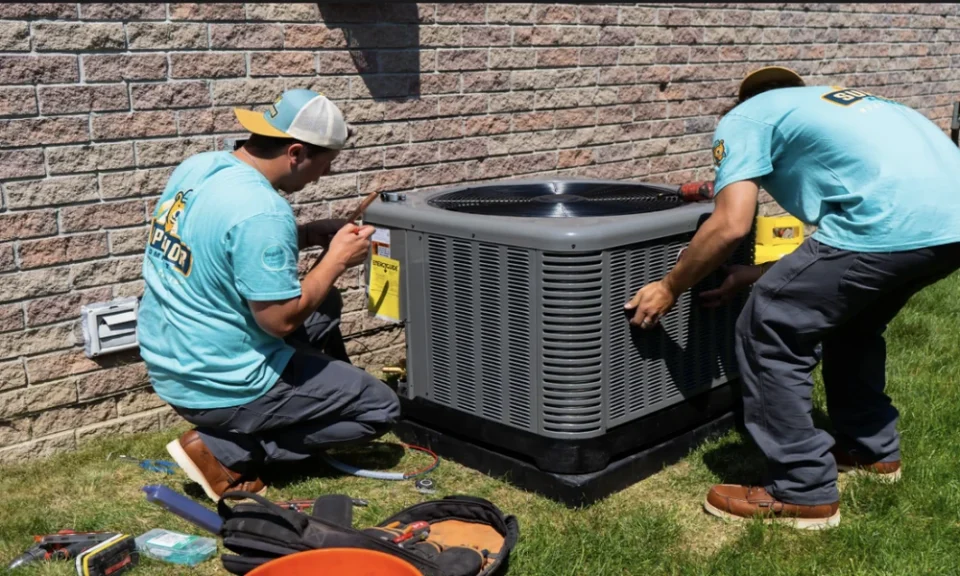
Summers in the Chicago suburbs bring intense heat and humidity that test even well-built homes. Replacing your air conditioner offers a chance to improve comfort and lower energy use, but only if you prepare properly. This guide walks through essential steps drawn from years of field experience, helping Winnetka homeowners avoid common pitfalls and achieve reliable performance from day one.
Many local families reach out when their current system starts failing during peak heat. At that point, securing quality air conditioner replacement Winnetka, IL becomes a priority to restore comfort quickly. Understanding the full preparation process prevents rushed decisions that lead to suboptimal results later.
Assessing Your Home’s Current Setup
Start by examining your existing system’s age and history. Units over twelve years often operate below peak efficiency, especially in Winnetka’s variable weather. Track repair frequency and energy bills to spot patterns that signal deeper issues with components or overall capacity.
Inspect visible ductwork for leaks, damage, or poor insulation. In older North Shore homes, hidden problems in attics or crawl spaces can waste significant cooled air. Addressing these before new installation maximizes the benefits of modern equipment.
Determining the Right System Size
Accurate load calculations account for your home’s square footage, insulation quality, window placement, and even tree shading. Professionals who skip detailed assessments often install units that short-cycle or struggle during humid afternoons common in Winnetka.
Evaluating Energy Efficiency Options
Modern systems offer impressive efficiency ratings that translate to noticeable savings on ComEd bills. Variable-speed units excel at humidity control, which matters greatly during sticky Illinois summers. Compare options based on your usage patterns rather than just upfront cost.
Consider air conditioner replacement Winnetka, IL, and how the new system integrates with your heating setup. Dual-fuel configurations or heat pumps might provide year-round advantages depending on your home’s layout and local utility incentives.
Preparing the Installation Site
Clear space around the outdoor unit location for proper airflow. Overgrown landscaping or tight placements against walls force systems to work harder, reducing lifespan. Indoor coil areas need similar attention to ensure clean, unobstructed airflow.
Electrical service requires verification. Older panels in historic Winnetka properties may need upgrades to handle newer high-efficiency equipment safely. Planning these details early avoids delays during installation.
Key Considerations for Ductwork and Airflow
- Measure and seal all accessible duct connections to prevent cooled air loss
- Check return air paths for restrictions that limit system performance
- Evaluate insulation in unconditioned spaces like attics and garages
- Confirm proper venting for condensate lines to avoid water damage
- Test blower motor operation and clean components thoroughly before startup
- Plan for smart thermostat integration to optimize daily operation
Understanding Refrigerant and Component Compatibility
New systems use updated refrigerants that perform better and comply with current regulations. Mismatched components from partial repairs create inefficiencies and void warranties. Full system evaluation ensures everything works together seamlessly.
Timing Your Project Strategically
Spring offers advantages for scheduling and milder weather during installation. Waiting until a breakdown occurs in July often means higher costs and limited contractor availability. Early planning lets you compare multiple bids thoughtfully.
Working With Qualified Professionals
Request detailed proposals that include load calculations, equipment specifications, and post-installation testing. Experienced teams explain each step and provide maintenance guidance specific to North Shore conditions. References from recent Winnetka projects reveal real-world reliability.
Budgeting Beyond the Unit Price
Factor in potential duct modifications, electrical work, and permits. High-efficiency models often qualify for rebates that offset initial investment. Calculate long-term operating costs to see the full picture of ownership expenses.
Common Oversights That Affect Performance
Homeowners sometimes overlook attic insulation or window upgrades that complement the new system. These improvements reduce the cooling load, allowing smaller, more efficient units to maintain comfort. Small changes yield big differences in daily operation.
Maintaining System Health After Installation
Establish a service schedule with the installing contractor. Regular checks catch minor issues before they impact performance. Homeowners who monitor filters and clear outdoor debris extend equipment life significantly in local conditions.
Final Preparation Steps
Review all documentation before work begins. Confirm warranty details, testing procedures, and emergency contact information. Understanding these elements builds confidence in your investment.
Prepared Homeowner Strategy
Taking these steps before air conditioner replacement leads to smoother projects and better outcomes. Apply this checklist to select appropriate equipment, coordinate necessary preparations, and partner with skilled professionals. Your home will stay comfortable through future summers while operating efficiently for years ahead.
