
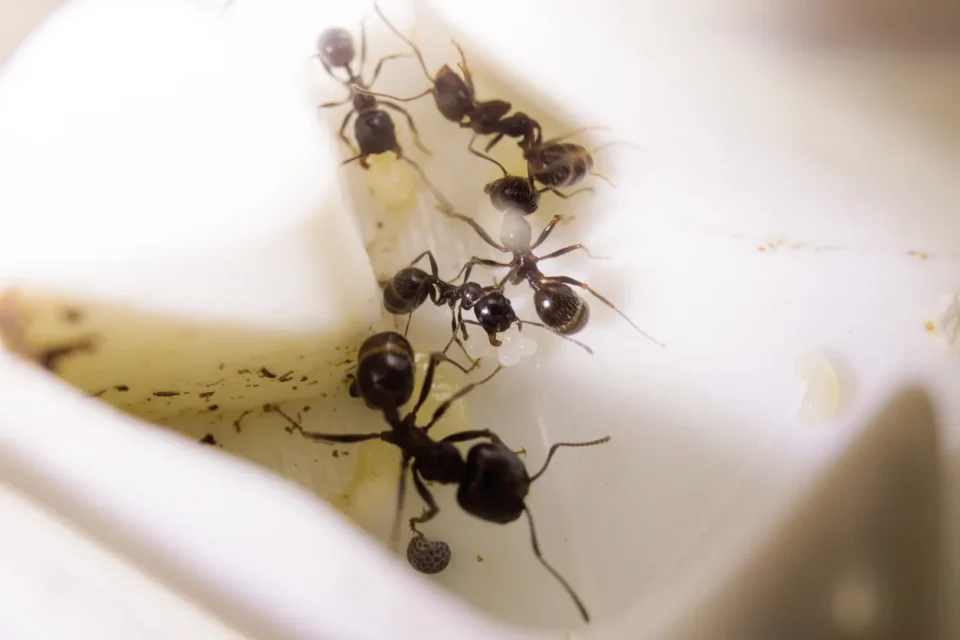
Finding ants in the bathroom can be surprising. The kitchen often gets blamed for attracting them because of food, crumbs, and spills. However, there are reasons ants can also invade bathrooms. The damp climate in Centralia provides the perfect environment for ant survival, so you can discover a trail of them along the sink, tub, or shower. If handling them gets overwhelming, you can always turn to the services offered by Pointe Pest Control. The company can provide you with solutions tailored to your specific ant situation. They can also educate about the potential reasons ants can end up in your bathroom. These include the following:
They Search for Water
Ants need water, which they can easily get from your bathroom. Moisture from leaky faucets and puddles near the shower can sustain their colony. Ants follow plumbing lines and sneak in through cracks around pipes to reach these dependable water sources. Once they discover a spot with regular access, they leave behind chemical trails that guide the rest of the colony to it.
Ants can gather for moisture around sinks, under the vanity, or in poorly ventilated areas. Odorous house ants and carpenter ants prefer damp environments, so they are drawn to bathrooms. Fixing leaks and wiping surfaces dry can make these areas less inviting. Also, it is important to improve ventilation.
They Have Hidden Entry Points
Bathrooms have small gaps and crevices that ants exploit. They can slip in through cracks in tile grout and gaps around baseboards. They can also take advantage of spaces where pipes enter the wall. Sealing entry points with caulk or other durable materials can help control ants. Pay attention to the areas under sinks and around tubs.
They Have Discovered a Source of Food
Ants are known for seeking sweet and greasy foods, but your bathroom offers food sources you may overlook. Ants are drawn to residues left behind by toothpaste, soaps, lotions, or hair products. Some species also feed on organic matter like skin cells or hair strands that collect in drains. Garbage bins in bathrooms can also attract ants. Emptying trash regularly and cleaning drains with a mild vinegar solution helps eliminate these hidden food sources.
They are Looking for Warmth and Shelter
Ants look for a safe place to build nests. Bathrooms often provide both warmth and seclusion. They can keep themselves safe in cavities inside walls, under floors, or behind cabinets. The damp wood near leaky pipes or poorly sealed tubs is an ideal nesting spot for carpenter ants.
This search for shelter explains why you may see ants only in certain parts of your bathroom. They may have already established a nest close by and are venturing out to find water or food. Regular inspections of areas prone to moisture damage can help you spot nesting activity.
Seasonal Factors in Centralia
Wet seasons often push ants indoors as they seek higher, drier ground. Warmer months bring them inside as they look for cooler, moist spaces. Bathrooms become an attractive escape in both cases. During spring and summer, ant colonies expand rapidly, sending out workers to gather resources. They are often led straight into your home. Being aware of these seasonal patterns can help you anticipate when ants may appear. Then, you can seal entry points and manage moisture before peak ant season.
They are Attracted to Personal Care Products
Many ants are drawn to the sweet or chemical scents in shampoos, conditioners, body washes, and lotions. These products contain sugars, oils, or fragrances that ants mistake for food. Spills on counters or unopened containers stored in cabinets can pique their interest. So, keep bottles clean and wipe surfaces to reduce this attraction. Also, store these products with tightly closed lids.
