
There’s something addictive about scrolling through makeover posts. But if you’ve ever embarked on an interior design renovation yourself, you’ll know that this journey is filled with decisions, dust, and more spreadsheets than you anticipated. In home renovation in Singapore, especially in flats and condos where square footage is a constant constraint, it’s about making a space work harder, smarter, and in tune with your lifestyle. Whether you’re doing a full gut job or upgrading a resale flat room by room, residential interior design in Singapore is evolving fast, and so should your expectations. Let’s step beyond the showroom gloss and into the behind-the-scenes truths of what it takes to make a space both stylish and sustainable.
What the Design Team Wishes You’d Ask
Start any residential interior design project, and you’ll quickly learn it’s as much about communication as it is about creativity. Designers often wish clients would ask deeper questions beyond “What’s trendy right now?”
The most helpful clients, according to many Singapore-based firms, come in prepared with clarity about how they use their space. These lifestyle insights help your design team plan for not just looks, but layout logic.
Designers also hope for honesty around budgets. Many home renovation projects get stuck not because of lack of ideas, but unclear financial expectations. Transparency allows for smarter planning without compromising the design intent.
Also, be ready for surprises. Especially in older units, what looks fine on the surface may hide issues like outdated plumbing or uneven subfloors. An experienced team anticipates these, but flexibility from the homeowner makes problem-solving faster and less stressful.
Lastly, don’t micromanage your renovation. It’s tempting after all, it’s your home, but remember you’ve hired experts. Check in, ask questions, but trust the process. A well-run interior design renovation project involves hundreds of micro-decisions. Constant back-and-forth can delay progress and water down the final vision.
What to Expect as Your Space Evolves
The glamour of interior design is often found in the reveal. But the real magic happens in the milestones leading up to it. And if you know what to expect, the journey becomes a lot less daunting.
The first big milestone in a home renovation journey is the design brief. This is where everything starts from measurements and moodboards to layouts and lighting concepts. Some design teams use this time to map out lifestyle routines in 3D layouts, so you can visualise before committing.
Following the brief comes the detailed proposal phase. This might feel tedious, but it’s where clarity and accountability are built. Sign-offs matter. They’re anchors that keep the project grounded when curveballs arise.
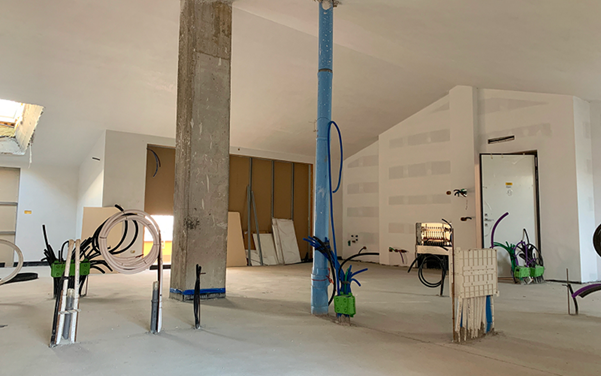
The next phase is demolition and build, arguably the messiest. You’ll hear the drilling before you see progress. At this stage, regular site updates are crucial, especially for homeowners who can’t be physically present. These help resolve decisions quickly.
One overlooked milestone is the snag list where small defects are noted and resolved before handover. This is your moment to ensure everything functions the way it should: drawers slide smoothly, sockets are correctly placed, and lighting is consistent. It may feel minor, but getting these details right means fewer regrets later.
What’s Trending in Singapore Homes
Design preferences shift fast, and what was fresh three years ago can now feel dated. But today’s residential interior design trends in Singapore reflect deeper lifestyle shifts.
Another shift? Materials that balance beauty with maintenance. In Singapore’s humid climate, non-porous countertops, anti-fingerprint laminates, and indoor plants suited for low light are practical investments.
Sustainability is also taking hold slowly but surely. More interior design renovation clients are asking about energy-efficient lighting, VOC-free paints, and recycled composite materials for cabinetry. Interior design firms are responding by sourcing from suppliers with greener footprints, showing that good design and eco-consciousness can co-exist.
Tech integration is also becoming standard. Homeowners are planning for smart switches, voice-controlled lighting, and discreet wire routing from the get-go. What used to be considered a post-renovation add-on is now part of the initial planning process.
Renovation Isn’t Just a Phase—It’s a Strategy
While makeover shows and social media might make interior design renovation look like magic, the truth is far more layered and rewarding. It’s about planning your home around how you live now and how you want to live in the years ahead. It’s about making informed decisions, hitting realistic milestones, and staying open to change. The best spaces are practical, personal, and prepared for change. So whether you’re engaging with a design firm for the first time or upgrading a home you’ve lived in for years, remember this: good residential interior design is as much about solving as it is styling.
Ready to rethink your space? Check out Interea today and know what happens during a renovation might bring it closer than you think.
