
Singaporean households are increasingly reliant on smart technology for daily tasks ranging from security to health and hygiene. After all, home automation appliances promise efficiency and convenience. However, their dependency on electricity introduces a weak point: power outages.
Once the power cuts off, automated systems, especially essential ones like water purifiers, may stop working entirely or behave unpredictably. Understanding how these devices respond to such disruptions is critical for homes that rely on them for safe drinking water and daily household tasks.
Discover what occurs when power is lost and what steps can be taken to maintain functionality and safety.
Impact of Power Outages on Home Automation Appliances
Once electricity is lost, most home automation appliances instantly go offline unless they are supported by an uninterruptible power supply (UPS) or battery backup. Smart lighting systems, air purifiers, and security cameras typically fail to operate, which may disrupt household comfort, health standards, and surveillance capabilities. Devices that rely on cloud connections also lose functionality, as Wi-Fi routers require constant power. Amidst the region’s dense residential environments, even short-term blackouts can create operational lapses in interconnected appliances. This disruption highlights the importance of considering fail-safe design when setting up a smart home ecosystem.
How Water Purifiers React During Blackouts
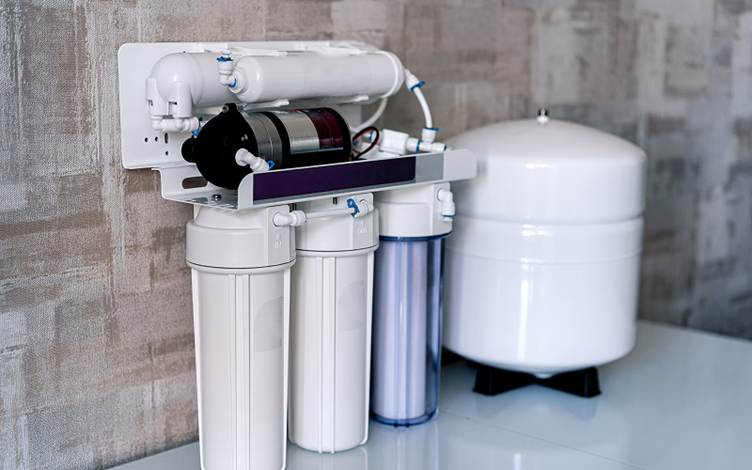
Water purifiers come in different models with varying levels of automation. Basic models may continue to allow water flow without purification, while advanced smart systems will stop functioning entirely. Reverse osmosis (RO) purifiers, UV-based sterilisation systems, and models with digital filtration sensors require electricity to operate. These units cannot treat water effectively in a power outage, posing health risks if users assume filtration is still active. This instance becomes particularly problematic in households where the purifier is linked to the kitchen tap, as water continues to flow but is no longer filtered.
Smart Purifiers and System Memory
System memory plays a crucial role for water purifiers integrated into broader home automation systems. Some high-end smart purifiers have non-volatile memory that stores custom settings and resumes operation once power is restored. However, budget systems may lose configuration settings, forcing users to recalibrate manually. Additionally, purifiers with remote monitoring or app-based controls will not send alerts or track water usage during the outage, resulting in data loss. This instance creates a gap in usage continuity, particularly in Singapore, where many homes aim to track consumption for health or sustainability goals.
Preventive Measures
Critical home automation appliances should be supported by a UPS system to avoid interruptions. A dedicated UPS for the best water purifier can allow continued filtration for a few hours, depending on wattage and battery capacity. Similarly, backup systems for routers and home control hubs ensure that interconnected devices can resume normal functions faster after a power cut. Homeowners may even consider inverter systems or standby generators for higher resilience. Choosing smart appliances that can detect power recovery and self-diagnose after outages also reduces maintenance needs.
Maintenance and Reset Procedures After a Blackout
Some water purifiers may enter standby mode or display error codes after a power interruption. It is critical to consult the manufacturer’s manual to determine whether the filtration process needs to be manually restarted or flushed. Failing to reset the system properly could result in stagnant water in filters or unclean water being dispensed. Regular maintenance checks and filter replacements should be scheduled with greater urgency following power disruptions. Homeowners are advised to test the purifier after power is restored, especially if it is an automated or sensor-based system. Remember, for fully integrated home automation appliances, a single malfunctioning node can affect other interconnected systems.
Conclusion
Power outages are disruptive, but their impact is magnified in homes that rely heavily on smart systems. Water purifiers, in particular, pose hidden risks when power is lost, especially if users are unaware of their dependency on electricity. Choosing the best water purifier in Singapore involves more than filtration capability; it also includes considerations for power resilience and system memory. Smart homeowners must plan for contingencies by using UPS systems, scheduling regular maintenance, and choosing automation appliances with reliable post-outage recovery features.
Don’t wait until the next blackout to find out your system’s limits. Contact Homino to invest in systems that offer seamless recovery, backup compatibility, and system memory.
