
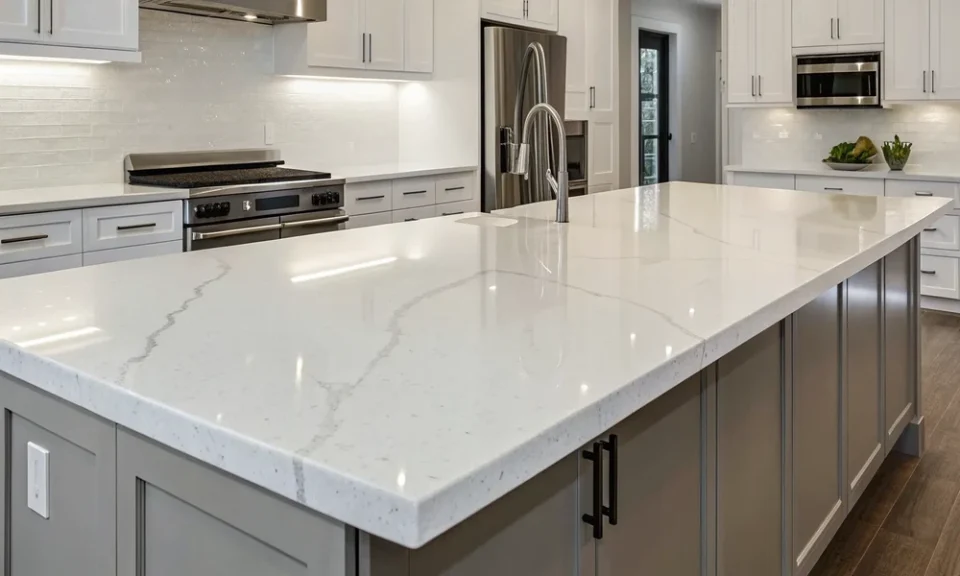
The moment you walk into a kitchen with gleaming quartz countertops, you know it. There’s an unmistakable blend of elegance and practicality that sets quartz apart, but choosing the right slab for your own space is not as straightforward as it may seem. What factors demand your attention, and how do you navigate the world of options without second-guessing your choice months later?
Understanding Quartz Countertops: Composition and Benefits
Quartz countertops are not slabs of pure stone pulled from the earth. Instead, they are engineered surfaces, typically made from about 90-95% crushed natural quartz bound together by resin and pigments. This manufacturing approach lets quartz combine the best of two worlds: the natural beauty of stone and the consistent quality of modern fabrication.
Durability stands out as the main selling point. Unlike granite or marble, which can crack or chip under pressure, quartz is less prone to these issues thanks to the binding resins. The durability of quartz is matched by its non-porous surface, a crucial advantage in kitchens and bathrooms. Spilled wine or coffee is unlikely to leave a stubborn stain or seep into the material, and bacteria won’t nestle into hidden pores.
Aesthetic Options: Colors, Patterns, and Finishes
Choosing quartz means entering a world of color and style options that natural stone simply cannot match. From pristine whites to jet blacks, from the subtle marbling of Calacatta Gold to the dramatic veining of Statuario Nuvo, there’s a look for every taste.
But design goes beyond color. The finish you select, polished, matte, or even textured, dramatically changes the countertop’s appearance and the way it interacts with light. Polished quartz offers a mirror-like shine but may show fingerprints more easily, while matte finishes are more forgiving but absorb less light, giving a softer look.
Matching your countertop to your interior décor is more straightforward with quartz. Whether you crave the crisp contrast of Classic White in a modern loft or the cozy understatement of Luna in a transitional space, showrooms make it easy to compare styles at a glance.
Durability and Maintenance: Long-Term Considerations
If you’re weighing quartz against granite or marble, scratch and stain resistance are non-negotiable criteria. Quartz excels here. While no surface is completely immune to damage, especially from sharp knives or extreme heat, quartz fares better than its natural stone rivals for daily kitchen use.
Maintenance is refreshingly simple. Routine cleaning requires only mild soap and water. Unlike granite or marble, quartz does not require periodic sealing. The surface treatments applied during fabrication lock out moisture and stains for the long haul, reducing upkeep to the bare minimum.
Cost Factors: Budgeting for Your Quartz Countertop
Price is often the decisive factor. Quartz is typically more expensive than laminate but often less costly than high-end natural stone like marble. However, prices can vary based on thickness, edge profiles, complexity of the fabrication, and your choice of brand or supplier.
| Material | Average Price per sq. foot (Installed) |
|—————-|—————————————-|
| Laminate | $20 – $50 |
| Granite | $50 – $150 |
| Quartz | $70 – $160 |
| Marble | $100 – $200 |
Opting for a thicker slab or intricate edge detail can quickly increase the cost. Yet, when evaluating value over the lifespan of your countertop, quartz often comes out ahead thanks to its minimal maintenance and long-term durability.
Fabrication and Installation: What to Expect
Picking the right fabricator is as essential as choosing the material itself. Advanced technology and expert craftsmanship ensure your countertop is cut and finished to perfection. For instance, teams like those at comptoir quartz Casa Granite offer modern fabrication techniques that result in seamless edges and custom fits, which is especially valuable for complex layouts.
Lead times can range from a few days to several weeks, depending on demand and project size. Scheduling installation involves measuring, templating, cutting, and finally fitting the countertop into your space. Expect a bit of dust and disruption, but professional installers will minimize the mess and ensure proper sealing where necessary.
Environmental and Health Considerations
Quartz is increasingly popular for those seeking sustainable and hygienic surfaces. As an engineered product, many quartz brands incorporate recycled materials and operate with lower environmental impact compared to quarrying natural stone. Its non-porous nature means a more hygienic kitchen or bath with less risk of mold or bacteria. Look for certifications such as GREENGUARD to verify eco-friendly and low-emission credentials.
Making the Right Choice for Your Project
Every project has its own demands. Residential kitchens often prioritize stain resistance and easy cleaning, while commercial installations may require a wider range of color-matched surfaces and rapid lead times. Visiting a showroom lets you view full slabs, not just small samples, helping you judge color and pattern more accurately. Comparing brands and talking with suppliers provides insight into which products best match your budget and vision.
Getting a Quote and Planning Your Purchase
To obtain an accurate quote, be ready with measurements, layout plans, and your preferred color or finish. Free estimates are common in the industry, and comparing several can help you understand market rates and negotiate favorable terms. Once you’re ready, confirm the details, set an installation date, and prepare your space for the transformation.
In the end, selecting the perfect quartz countertop is about balancing aesthetics, function, and cost. With a material as versatile and reliable as quartz, you’re investing in a surface that will stand up to everyday life while looking extraordinary for years to come.
