
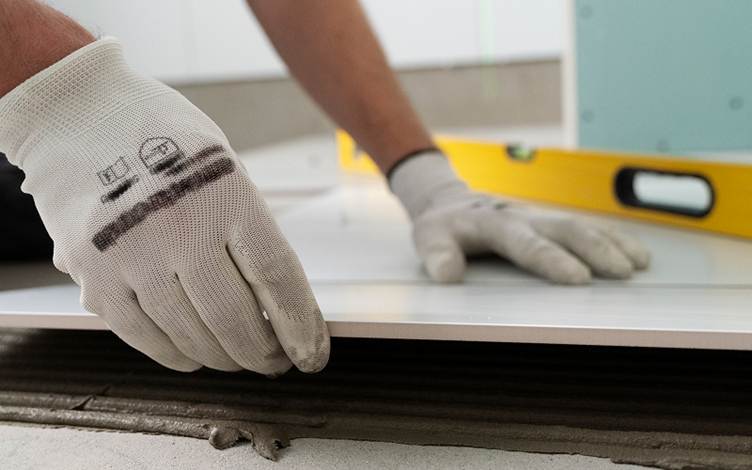
Selecting the appropriate grout in Singapore involves more than simply picking a colour that complements your tiles. Due to the country’s high humidity and frequent rainfall, grouting in the city-state must meet specific performance requirements for durability, water resistance, and long-term ease of maintenance. Whether used indoors or outdoors, the appropriate grout maintains structural integrity while also preventing water damage, discolouration, and mould growth.
Assessing Tile Location and Function
The first step is to decide whether the grout will be used indoors (in dry spaces), wet rooms (like bathrooms), or outdoors (in exposed areas like balconies and patios). Cement-based grout is widely used and adequate for internal dry zones, such as living rooms or bedrooms, where tile joints are thin and traffic is modest. Wet areas, such as showers and kitchens, require waterproof and mould-resistant grout to avoid bacterial growth and discolouration. Epoxy grout is commonly used in these applications due to its nonporous nature and resilience to strong cleaning chemicals.
Outdoor grouting needs to be able to resist exposure to harsh sunlight, precipitation, and contaminants. Expansion and contraction due to temperature shifts can also cause cracking if the wrong grout is used. Flexible grout formulations that can withstand slight movement without breaking are advantageous for outdoor tiles. Additionally, UV-resistant grout types help retain colour and structural integrity under prolonged sun exposure.
Understanding Grout Types
There are three main types of grout available in the city-state: cement-based, epoxy, and urethane. The most common and affordable choice is cement-based grout, which is typically available sanded or unsanded. Unsanded grout is appropriate for joints under 3mm and sensitive surfaces like glass tiles, while sanded grout is suitable for broader joints (greater than 3mm) since it inhibits shrinking and cracking.
Epoxy grout, though more costly and harder to apply, offers superior resistance to chemicals, moisture, and staining. It is ideal for high-traffic areas, wet zones, and commercial environments. Due to its durability and hygienic properties, epoxy grout is often used in grouting healthcare and food preparation spaces. Urethane grout, though less common, provides similar benefits with easier application but may not perform as well in high-moisture environments.
Choosing the Right Colour and Finish
While functional performance takes priority, grout colour still plays a role in tile aesthetics. Choose a grout shade that closely matches the tile for seamless integration. Meanwhile, for contrast, darker or lighter grout can highlight the tile pattern but may draw attention to imperfections. Additionally, lighter-coloured grout tends to show stains and discolouration faster unless properly sealed. Epoxy grouts are more colour-stable and are available in a range of consistent shades.
Grout finishes also matter. Glossy finishes may appear cleaner but can be slippery or reflect too much light in specific installations. Matte finishes are preferred for outdoor or non-slip surfaces. Some grout types also offer additives or pre-mixed variants with built-in anti-microbial properties to inhibit mould and bacteria growth.
Durability and Maintenance Considerations
The region’s tropical climate increases the risk of grout deterioration over time due to constant moisture exposure. Grout that is not sealed or inadequately mixed during application can degrade quickly. Sealing cement-based grout is essential for both indoor and outdoor tiles to protect against staining and water infiltration. Epoxy grout, while more durable, requires skilled application and can be difficult to remove if repairs are needed.
Cleaning and maintenance frequency should also be considered. Tiles in high-use areas like kitchens and bathrooms may need grout that withstands frequent scrubbing and chemical exposure. Meanwhile, where minimal upkeep is preferred, epoxy grout offers better long-term performance with lower maintenance requirements.
Professional Installation and Aftercare
Hiring experienced contractors for grouting is advisable, especially for epoxy applications or large outdoor installations. Poor craftsmanship can result in uneven grout lines, cracking, and water seepage. Professionals also understand the correct curing times, environmental factors, and sealing needs for different tile and grout types. Regular inspection and timely resealing of grout joints help extend their lifespan and preserve tile appearance.
Conclusion
Choosing the right grout requires careful evaluation of environmental exposure, tile location, and the desired aesthetic outcome. Understanding the differences in grout materials and their respective advantages ensures long-term durability and minimal maintenance. Seeking professional advice or services is often the most reliable approach for optimal grouting in Singapore, particularly in high-moisture or outdoor applications.
Contact Grout ProTech to ensure you select the right grout for long-lasting results in local conditions.
