
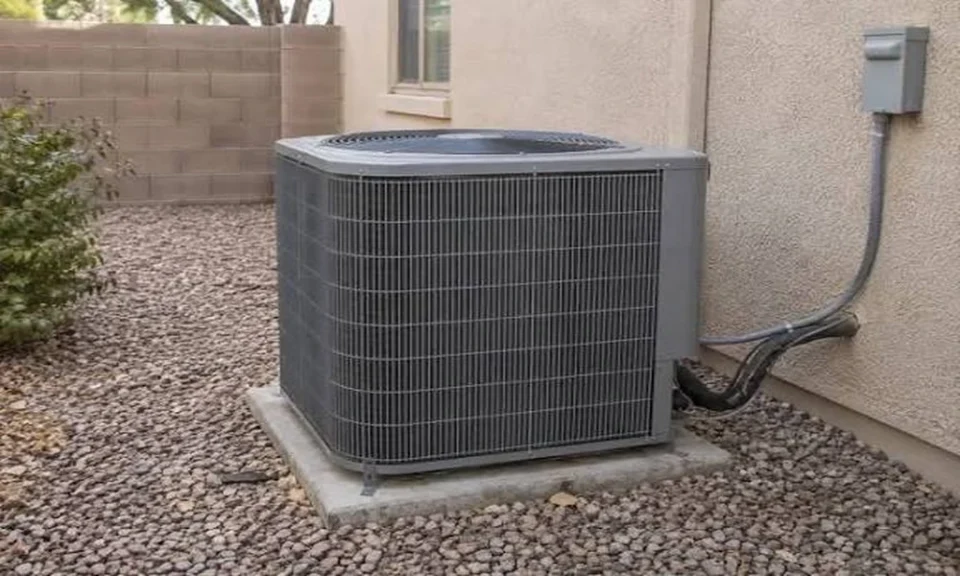
A properly functioning heating, ventilation and air conditioning (HVAC) system keeps your home comfortable throughout the year. It helps maintain indoor temperatures, improves air circulation and supports a healthier living environment. However, like any mechanical equipment, HVAC systems can develop problems over time. Some issues are minor and may be resolved through routine maintenance, while others require professional attention.
Understanding common HVAC problems can help homeowners recognise early warning signs and avoid unexpected breakdowns. Whether your system is struggling to cool your home or making unusual noises, knowing when to seek professional help is important. Working with an experienced HVAC company Flower Mound, TX can help identify faults, recommend suitable repairs and keep your equipment operating reliably.
1. HVAC System Not Cooling or Heating Properly
One of the most common HVAC problems is inconsistent indoor temperatures. You may notice that your air conditioner runs continuously without cooling the rooms properly or that your heating system struggles to provide enough warmth. Dirty filters, thermostat problems, refrigerant issues and restricted airflow can all contribute to this problem.
Start by checking the thermostat settings and replacing a dirty air filter if necessary. If the problem continues, professional assistance may be required. A technician can inspect the system, check refrigerant levels and identify mechanical faults affecting its performance.
2. Weak Airflow from Vents
Weak airflow can make certain rooms uncomfortable, even when the HVAC system appears to be running normally. Blocked filters, obstructed vents, leaking ductwork and blower motor problems are common causes. Poor airflow can also make the system work harder to maintain the desired temperature.
Check that furniture or other objects are not blocking the vents. Replace clogged filters and ensure supply registers are open. If airflow remains weak, hire a professional to inspect the ductwork, blower assembly and other components.
3. Unusual Noises During Operation
Your HVAC system may produce a gentle humming sound during normal operation. However, loud banging, grinding, rattling, squealing or persistent buzzing can indicate mechanical or electrical problems. Loose components, worn motor bearings and damaged fan assemblies are possible causes.
Ignoring unusual noises can allow minor faults to become more serious. If the sound is sudden, loud or persistent, switch off the equipment when appropriate and arrange a professional inspection. A technician can locate the source and recommend the necessary repairs.
4. Thermostat Not Working Correctly
A faulty thermostat can prevent your HVAC system from maintaining a comfortable indoor temperature. You might notice that the system does not respond to temperature changes, switches on and off frequently or displays incorrect readings.
Start by checking the thermostat settings and batteries, if applicable. Make sure it is not exposed to direct sunlight or other heat sources that could affect its readings. If it still fails to control the equipment correctly, a professional can check its wiring, calibration and compatibility with the HVAC system.
5. Refrigerant Leaks
Refrigerant is essential for the cooling process in air conditioning systems. When refrigerant levels become too low because of a leak, the system may struggle to cool your home. Other warning signs include longer cooling cycles, reduced performance and ice forming on refrigerant lines or the indoor coil.
Refrigerant problems should always be handled by qualified professionals. Simply adding more refrigerant will not solve the underlying issue if a leak remains. A technician can locate the leak, complete the necessary repairs and restore the system to appropriate operating conditions.
6. Water Leaking Around the Indoor Unit
Water collecting around an indoor HVAC unit is another problem homeowners should not overlook. A clogged condensate drain line is a common cause because it prevents moisture from draining away properly. A damaged drain pan, disconnected pipe or frozen evaporator coil may also contribute to water leakage.
If left untreated, leaking water can damage nearby flooring, walls and ceilings. Turn off the system if water is actively leaking and arrange an inspection. A professional can identify the cause, clear the drainage system and check for related problems.
7. HVAC System Switching On and Off Frequently
Frequent cycling occurs when an HVAC system repeatedly starts and stops without completing normal operating cycles. This can result from a dirty air filter, thermostat malfunction, restricted airflow or an incorrectly sized system.
Constant cycling can increase energy consumption and place unnecessary strain on important components. Replacing a dirty filter may help if airflow is restricted, but recurring problems need professional attention. An experienced technician can inspect the equipment and determine why it is struggling to maintain consistent operation.
8. Unpleasant Smells Coming from Vents
Unusual odours coming from your HVAC vents can indicate different types of problems. Musty smells may be associated with moisture or microbial growth in parts of the system, while burning smells can suggest overheating electrical components or wiring issues. Dusty odours may also occur when heating equipment is switched on after a long period of inactivity.
Do not ignore persistent or strong smells. If you notice a burning or electrical smell, switch off the system if safe and seek professional help. A technician can inspect the equipment, clean affected components and identify any underlying safety concerns.
9. Rising Energy Bills
A sudden increase in energy bills without a significant change in usage may indicate that your HVAC system is becoming less efficient. Dirty filters, leaking ducts, failing components and poor maintenance can force the equipment to run longer to maintain comfortable temperatures.
Check your filters regularly and make sure vents are unobstructed. If energy costs remain unusually high, professional maintenance can help identify hidden performance problems. A technician can inspect the system, assess its condition and recommend practical improvements.
10. HVAC System Fails to Start
An HVAC system that refuses to start can disrupt your home’s comfort, particularly during extreme weather. Possible causes include thermostat problems, tripped circuit breakers, electrical faults, damaged capacitors or a failed motor.
Check the thermostat settings and circuit breaker without opening electrical equipment. If the system still does not start, avoid repeatedly resetting breakers or attempting electrical repairs yourself. A qualified technician can safely diagnose the problem and determine whether a component needs repair or replacement.
When Should You Hire an HVAC Professional?
Not every HVAC issue requires an emergency repair, but certain warning signs should receive immediate attention. Electrical smells, burning odours, refrigerant leaks, water damage and loud mechanical noises should never be ignored. These problems may affect equipment safety or lead to more extensive damage.
Professional maintenance is also useful even when your system appears to be working correctly. Routine inspections help identify worn components, airflow restrictions and developing faults before they cause unexpected breakdowns. If basic troubleshooting does not resolve a problem, arranging a professional assessment is generally the best approach.
Frequently Asked Questions
1. How Often Should an HVAC System Be Serviced?
Most residential HVAC systems benefit from professional maintenance at least once a year. If your home uses separate heating and cooling equipment, scheduling maintenance before each main operating season can help keep both systems in good condition.
2. What Are the Signs That an HVAC System Needs Repair?
Common warning signs include unusual noises, weak airflow, inconsistent temperatures, water leaks, unpleasant smells and unexpectedly high energy bills. Frequent cycling and difficulty starting are also reasons to arrange a professional inspection.
3. Can I Fix HVAC Problems Myself?
Homeowners can handle basic tasks such as replacing air filters, checking thermostat settings and keeping vents clear. However, electrical faults, refrigerant leaks, motor problems and internal mechanical repairs should be handled by qualified technicians.
4. Is Regular HVAC Maintenance Worth It?
Yes. Regular maintenance helps identify potential problems early, supports efficient operation and reduces the likelihood of unexpected breakdowns. It can also help extend equipment lifespan and maintain consistent indoor comfort.
Conclusion
HVAC problems can affect indoor comfort, energy efficiency and the overall reliability of your heating and cooling equipment. From weak airflow and thermostat faults to refrigerant leaks and unusual noises, recognising common warning signs helps homeowners take action before minor issues become expensive repairs.
