
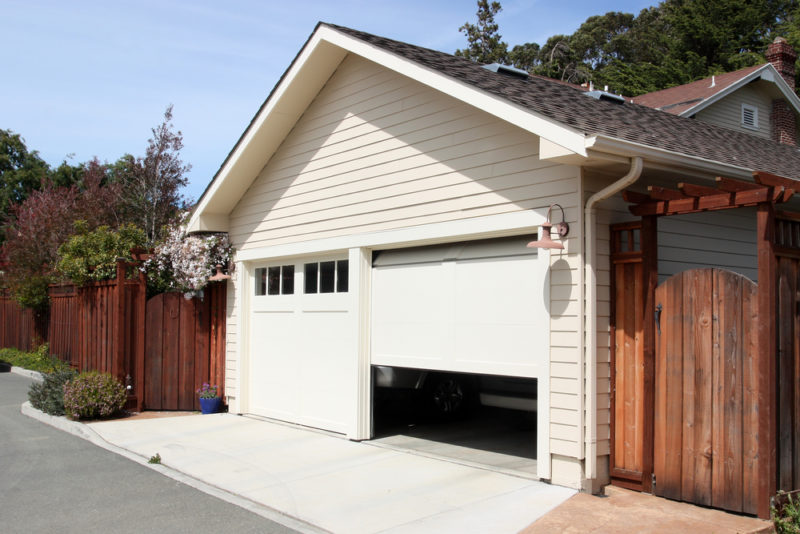
When your home feels warmer than it should, your garage door may be part of the problem. It might not seem obvious at first, but an uninsulated garage door, especially on an attached garage, can allow outdoor heat to sneak into your living space. And when that happens, your HVAC system has to work a lot harder to keep you cool.
Let’s understand how garage door insulation and residential HVAC solutions can work hand in hand to improve comfort and reduce energy costs.
How Heat Enters Through the Garage Door
Garage doors made of thin, uninsulated materials like metal or wood offer little resistance to outdoor temperatures. During the summer, the garage becomes a heat trap, warming up the walls, ceiling, and any rooms connected to it.
Why This Impacts Your HVAC System
- Heat Transfer Into Living Spaces
If your garage is attached to your home, the heat it collects doesn’t stay put. It moves into nearby rooms through shared walls and ceilings, making your HVAC system work harder to maintain your desired indoor temperature.
- Increased Cooling Load
Your air conditioner has to run longer and more frequently just to keep up. This leads to higher energy bills, more wear and tear on your HVAC system, and even possible breakdowns if the strain continues over time.
Combining Insulation and HVAC For Better Results
To solve the problem effectively, it helps to combine insulation fixes with smart HVAC improvements.
Garage Door Insulation Options
- Foam Boards
These lightweight panels are easy to install and add a solid layer of thermal resistance to your garage door.
- Reflective Insulation
This type reflects radiant heat away from the garage and is ideal for homes in hot climates.
- Fiberglass Kits
Pre-cut panels fit inside the sections of your garage door and provide strong insulation without too much effort.
- Upgrade to an Insulated Door
A professionally installed insulated garage door provides long-lasting protection, energy efficiency, and added durability.
Final Words – Keep the Heat Out and Comfort In
If your garage door is uninsulated, it could be driving up temperatures inside your home and overworking your HVAC system. By pairing effective insulation with smart residential HVAC solutions, you can stay cool, save on energy bills, and extend the life of your AC unit.
For expert HVAC solutions and tips on home energy efficiency, contact Sierra Air Inc. today and let us help you stay cool and comfortable.
