
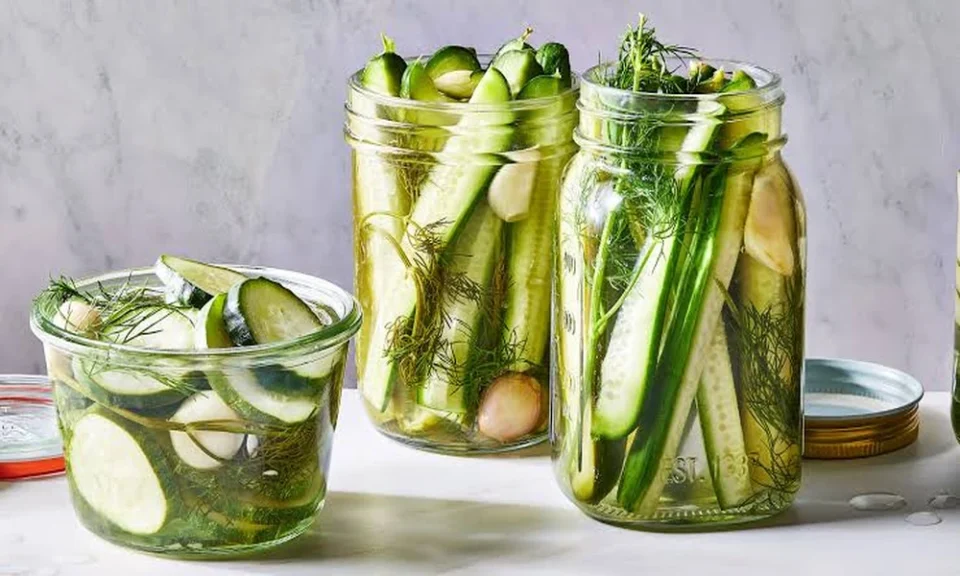
A pickled accompaniment can add a sharp note beside pierogies, but it does not need to cover the plate to be useful. Taste the actual pickle, choose a filling that you enjoy with it, and serve the accent separately enough that diners can control the amount. The filling should remain something you can notice between the sharper bites.
Notice the strength of the pickled ingredient
Begin with the jar or preparation you intend to use. Pickled cucumber, onion, and other vegetables can differ in sweetness, acidity, seasoning, and texture. The word “pickled” alone is not enough to predict the experience. Taste a suitable serving from the actual product before deciding how much belongs in dinner.
Consider the liquid as well as the vegetable. An accompaniment may carry more brine onto the plate than you want. Use a suitable serving utensil and decide whether the food should be drained according to the preparation you are following. That helps preserve the distinction between a small sharp accent and a dressing spread across everything. Try the serving action with a small amount before setting out a full bowl. If the utensil transfers more liquid than intended, changing the tool or vessel can solve the problem without changing the pickle itself. This is especially helpful when the table has little room for an extra saucer.
Read the ingredient information when it matters to the people eating. A sweet or spicy pickle can introduce flavors not obvious from its appearance. Describe it plainly at the table rather than assuming everyone recognizes the jar or shares your familiarity with it.
Think about how the accent will interact with other strong components. If the side already includes a tart dressing, adding a sharp pickle may repeat the same note. You may enjoy that, or you may prefer one of the two. Choose before serving so the plate does not become a collection of unrelated condiments.
Start with a modest amount. You can bring out more if people want it, while a large portion can make the garnish feel like a required side. A small initial serving also gives diners room to discover how it works with the filling rather than deciding from its appearance alone.
Choose a filling that benefits from the contrast
Sizzlin’ Fried Onion combines potato and onion in full-size, plant-based pierogies. That savory filling can be considered beside a sharp vegetable accent if you enjoy the pairing. The onion is already inside the dumpling, so a pickled-onion garnish would deliberately repeat one ingredient in a different form.
A pickled cucumber accompaniment would create another relationship, bringing its own texture and seasoning rather than echoing the filling’s onion. Neither option needs to be declared the correct match. Choose the contrast you want and keep the first meal simple enough to judge it.
If shopping for that filling in Brooklyn, Holy Perogy’s Brooklyn store finder offers a route into the product descriptions and retailer search. Identify the potato-and-onion variety clearly when checking availability. A filling chosen for a particular accompaniment is worth naming precisely.
Consider whether the pickle would obscure a more distinctive filling you are trying for the first time. A strong accent may make it hard to notice mushroom or garlic notes. Serve a little separately and taste the dumpling first if learning the filling is part of the meal’s purpose.
Keep the rest of the plate straightforward. If the dumplings and pickled accent already provide the main flavor relationship, another strongly seasoned sauce may not add much. A plainly prepared vegetable or a fresh side could offer a different role without competing with the garnish.
Prepare the chosen product according to its package instructions, then make the pickled ingredient a serving decision. Do not substitute brine or an improvised method for the directions used to cook frozen, uncooked dumplings. The pairing can happen at the table after each component is ready.
Serve the garnish where people can choose it
A small separate dish gives the pickled accompaniment a clear place. Put it within comfortable reach with a suitable utensil. Diners can then add the amount they want without having the brine spread across their plate before they have tasted the food.
For individual plates, place the accent to one side if the diner wants it. Leave enough separation that the dumplings can be eaten without it as well. This is useful for someone who enjoys alternating sharp bites with the filling rather than combining the two every time.
Keep the serving utensil with the garnish. A fork moved repeatedly between the pickle dish and another shared component can blur flavors and make the arrangement untidy. A dedicated utensil is a small practical detail that helps the separate service do its job.
If someone declines the garnish, let the rest of the meal stand on its own. The filling should not depend on everyone accepting the same sharp finish. An optional accent is most useful when it remains optional throughout the meal.
Notice how much is actually used. If most returns untouched, prepare less next time or choose another accompaniment. If it is the part people request more of, keep it available without automatically increasing every other condiment on the table.
The right amount is the amount that makes the meal more enjoyable to the people eating it. Let the pickled ingredient offer a distinct interruption to the savory filling, then allow the dumplings to regain the plate’s attention.
