
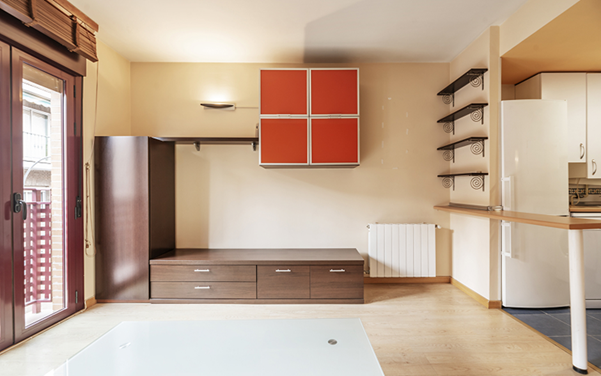
Living in a compact space does not mean compromising on comfort or style. In Singapore, where space is limited and property sizes continue to shrink, homeowners are turning to professional interior design firms to help maximise every inch of their condominium units. These experts provide practical, creative, and well-structured solutions that turn cramped layouts into cohesive living environments. Here’s how an interior design company in Singapore tackles the challenge of small condo design with precision and efficiency.
Focus on Function First
An interior design company begins every small condo project by identifying how the space will be used. Function drives the layout, and every room is assigned a clear purpose. For instance, a living area may double as a workspace, or a bedroom might include a reading nook. The design team works to eliminate dead corners and underutilised areas by prioritising the client’s lifestyle needs and daily routines. This foundation ensures that all further decisions align with real-world usage.
Strategic Space Planning
In a small condo, every square metre counts. Interior designers in Singapore excel at space planning and rearranging furniture, adjusting walls, or combining areas to increase usability. For example, combining the dining and living area into a single cohesive zone with flexible seating can open up more walking space. Designers may also reconfigure bathrooms or kitchens to allow better flow, improve natural light, and simplify access between key zones.
Smart Use of Vertical and Hidden Storage
One of the main issues with small condo design in Singapore is the lack of storage. Designers resolve this by building vertically and integrating storage solutions that blend into the décor. Full-height wardrobes, platform beds with drawers, and shelving built around doorways allow homeowners to store more without cluttering the space. In some cases, movable partitions with built-in shelving add functionality while helping define different zones within the same room.
Light and Colour Techniques
Visual space is equally as important as physical space. Colour is used to make rooms appear lighter and larger, such as neutral palettes. Mirrors are also placed near natural light to extend the feeling of the room. Light-coloured flooring and wall finishes reduce visual heaviness, while built-in lighting, recessed ceiling lights, or under-shelf LEDs illuminate without taking up room.
Multi-Functional Furniture
To maximise floor space, designers choose furniture that serves more than one purpose. A bench with internal storage, a fold-out desk, or a coffee table that converts into a dining table can transform a room’s use without changing its structure. The right furniture pieces support a lifestyle while reducing clutter and maintaining a clean layout.
Integrated Kitchen Solutions
In many condos, the kitchen must be compact yet practical. Design teams streamline cabinetry, appliances, and storage into a single clean line. Modular kitchen systems are often used, which allow drawers, ovens, and appliances to be hidden behind seamless panels. The goal is to maintain a tidy appearance without compromising functionality. Designers also factor in ventilation and lighting to ensure the kitchen is usable, even in smaller layouts.
Learn More: Condo Living Room Design Hacks for the Ultimate Chill Spot
Creating Visual Continuity
A consistent visual theme helps make a small condo feel more cohesive. Professional designers apply uniform materials, colour schemes, and design motifs throughout the unit. This avoids visual clutter and creates the illusion of a larger, unified space. For example, using the same flooring from the living area through to the bedroom can make the entire unit feel more expansive and connected.
Zoning Without Walls
To avoid breaking up limited space with partitions, designers use layout techniques and materials to create visual zones. Rugs, lighting changes, or shifts in ceiling height can signal different areas, such as a work area or dining space, without dividers. This flexible zoning keeps the condo more open while maintaining the functional separation of activities.
Personalisation Within Constraints
While the aim is to make a space look larger and more efficient, the final touch involves infusing the homeowner’s identity. Designers include customised wall panels, artwork, or niche lighting to add personality without crowding the room. These features reflect the resident’s lifestyle while keeping the design functional and intentional.
For more information about small space designs, contact Fineline Design today.
